
Ditch Engine PTO with Lithium Auxiliary Power
The High Cost of PTO Idling
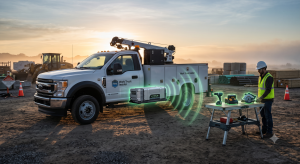
Running a heavy truck engine just to power small job site tools is like using a sledgehammer to drive a thumbtack. Traditional power take-off systems force diesel engines to idle for hours while crews work nearby. Fortunately, lithium-ion auxiliary power units now offer a quiet, clean alternative for work trucks. These compact battery packs mount directly on Class 3 to Class 6 vehicle chassis.
Quiet Power for Modern Job Sites
For example, crews can run electric power tools, hydraulic lifts, and emergency lights without starting the main engine. Consequently, you eliminate fuel burn and reduce noise pollution around active job work areas. In addition, battery systems prevent unnecessary engine hour accumulation on your vehicle odometers.
Fewer engine idle hours directly translate to lower maintenance expenses and fewer diesel exhaust filter cleanings. As a result, your fleet vehicles stay on the road longer without unexpected shop visits.
Upgrading Your Fleet Equipment Today
Installing battery auxiliary systems requires an initial financial investment, but the payoff is remarkably quick. First, calculate how many idle hours your service trucks accumulate while parked on active job sites. Furthermore, check local municipal noise regulations to avoid costly early morning idling fines.
Transitioning to battery auxiliary power protects your equipment while keeping nearby neighbors happy. Moreover, quiet job sites allow your crew members to communicate clearly and work safely. Investing in battery technology modernizes your fleet while lowering long-term operating costs.
Reliable Fleet Technology Links
To learn more about modern auxiliary power systems and emissions standards, check official federal resources. For instance, data from the U.S. Department of Energy Alternative Fuels Data Center highlights heavy-duty efficiency gains. Additionally, regulations from the Environmental Protection Agency detail clean air mandates. You can also review job site safety standards from the Occupational Safety and Health Administration for noise control advice.
Also read: Ford Pro AI Assistant Helps Manage Fleet Downtime

