
Ford Pro Telematics Software Cuts Commercial Fleet Costs
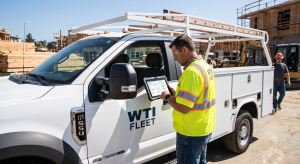
Managing Fleets with Real-Time Data
Managing a fleet of commercial work trucks often feels like herding cats on a busy construction site. However, modern technology from OEM leaders like Ford Pro Commercial Solutions gives fleet operators direct control over their medium-duty trucks and cargo vans. For example, real-time vehicle tracking allows fleet managers to monitor driver routes, vehicle speed, and live fuel consumption without making constant phone calls. Additionally, this constant data stream identifies harsh braking and sudden acceleration patterns before they ruin expensive brake pads. As a result, fleet supervisors can fix bad driving habits quickly while keeping their drivers safe on the open road. Consequently, staying on top of daily operations becomes significantly easier for busy shop managers.
Preventing Maintenance Headaches and Downtime
Unplanned downtime can destroy your weekly profit margin faster than a blown tire on the highway. Therefore, integrating predictive maintenance alerts through primary fleet management platforms is crucial for long-term survival. For instance, sensors continuously track engine oil life, battery charge levels, and diagnostic trouble codes across Class 1 through Class 6 vehicles. Meanwhile, standard commercial vehicles often sit in maintenance bays because overworked operators completely ignored minor issues. Furthermore, federal regulatory bodies like the Federal Motor Carrier Safety Administration emphasize that proactive vehicle inspections reduce costly roadside breakdown violations. Consequently, smart managers schedule repairs during planned downtime, because unexpected breakdowns always happen at the worst possible moment.
Reducing Fuel Waste and Lowering Costs
Fuel remains one of the largest ongoing expenses for any vocational work truck fleet. However, excessive engine idling drains gallons of fuel every single week while your drivers sit in air-conditioned comfort during long lunch breaks. For example, telematics software tracks exact idle duration and alerts managers when a truck sits running for too long. Additionally, reducing unnecessary idle time extends engine life and minimizes carbon emissions across your entire fleet. As a result, businesses save hundreds of dollars per vehicle each year simply by turning off idling engines. Ultimately, smart fleet management relies on actionable data rather than wild guessing games.
Also read: Geotab’s GO Focus Pro Brings 360-Degree AI Safety to the Work Truck Cab

