
Isuzu Advances Medium-Duty Electric Truck Fleet Tech
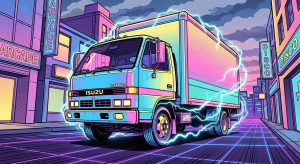
Expanding Zero-Emission Options for Urban Routes
Commercial fleets operating in dense urban corridors face mounting pressure to reduce tailpipe emissions without compromising payload capacity. Fortunately, recent product rollouts from Isuzu Commercial Truck aim to answer this challenge with the all-electric N-Series EV cabover truck. Designed specifically for Class 4 and Class 5 operations, this platform retains the maneuverability that urban delivery drivers love while replacing traditional diesel engines with battery power. As a result, last-mile fleets can navigate tight alleyways and busy loading docks without spewing diesel exhaust into city streets. Furthermore, the low-cab-forward design gives drivers exceptional forward visibility during hectic municipal runs.
Balancing Range and Payload Demands
Range anxiety remains a major concern for commercial operators, but real-world fleet data shows that many local delivery routes require under one hundred miles per day. Consequently, Isuzu engineered scalable battery configurations that let fleet managers tailor energy capacity to actual route demands. For example, fleets running short, repeatable routes can opt for smaller battery packs to maximize available payload weight. Conversely, regional routes can utilize larger energy storage systems to ensure full-day operation without mid-shift charging stops. Additionally, standard DC fast-charging capabilities allow crews to replenish battery levels quickly during mandatory driver meal breaks.
Lowering Total Cost of Ownership
Although electric commercial trucks demand higher upfront investments, the long-term maintenance savings offer a compelling financial argument for fleet managers. For instance, the absence of internal combustion components eliminates routine oil changes, fuel filter replacements, and complex exhaust fluid maintenance. Therefore, fleet mechanics spend significantly less time performing routine servicing in the shop. Meanwhile, regenerative braking systems reduce wear on physical brake pads during heavy stop-and-go city driving. As a result, medium-duty operators experience lower scheduled maintenance expenses over the vehicle’s active lifespan. Ultimately, adopting electric cabovers helps commercial fleets meet corporate sustainability goals while maintaining predictable daily operating costs.
Also read: Beyond the Oil Change: New Hybrid Maintenance Plans

