
Geotab Upgrades Data for Class 1-6 Dispatchers
Integrating Data for Faster Decision Making
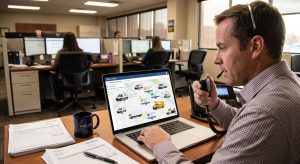
Managing a fleet of Class 1 through Class 6 work trucks often feels like air traffic control, but with more traffic and way less quiet time. Consequently, dispatchers face constant pressure to maximize efficiency. According to Geotab’s official guidance, the company is focusing on enhancing data integration capabilities within its platform to streamline operations.
This focus aims to provide managers with immediate, specific data regarding vehicle location and diagnostics when routing delivery vans or service trucks across town. Instead of juggling multiple applications, dispatchers can view critical information in one interface. As a result, operations might reduce idle time and cut back on unnecessary miles. For example, knowing a reefer truck’s exact cargo temperature while viewing traffic delays helps the dispatcher redirect the driver before cargo spoilage occurs.
AI Tech Enters the Dispatch Office
Artificial intelligence is not just for writing generic emails; it is starting to do some actual heavy lifting in fleet operations as well. Geotab is actively testing generative AI, currently referred to as Project G, to summarize data quickly for busy fleet directors. While this technology is currently in a beta phase, the goal is to allow managers to ask natural language questions about vehicle health or operational data.
Therefore, if an engine light pops up on a Class 5 bucket truck, a dispatcher could immediately ask about the severe diagnostic trouble code without searching a code library. However, managers must remember that AI serves strictly as a decision-support tool, not as a complete replacement for human operational experience. It provides data summaries, but the fleet director still makes the final call.
Improving Real-Time Communication and Safety
Real-time visibility is vital, but actually communicating those insights to drivers is just as important. Platform updates intend to bridge the gap between dispatchers and drivers, especially those operating towing vehicles or specialty vans. By using data gathered from integrated cameras and engine diagnostics, supervisors can provide faster service for drivers on busy active construction sites or busy highways.
For instance, if a dispatcher sees an immediate traffic congestion alert, they can send updated routing directly to the driver’s interface, ensuring the safety of the driver and preventing service delays. Additionally, this unified approach helps managers monitor safety protocols more effectively, ensuring everybody actually makes it home at the end of the shift. Ultimately, using data in this manner is not just about moving boxes; it is about protecting employees and company profits.
Also read: Telematics ROI: Turning Vehicle Data Into Real Fleet Savings

