
Smart Charging Tips for Commercial Fleet EVs
Mastering Smart Depot Charging
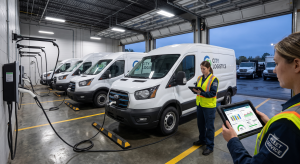
Swapping gas tanks for high-voltage battery packs sounds easy until three electric delivery vans try to plug in simultaneously during peak power rates. However, unmanaged charging routines can quickly spike local utility bills and trigger severe demand charges for your facility. Commercial fleet operators who manage Class 1 through Class 6 vehicles must balance power loads carefully to keep overhead costs low. For example, platforms provided by Ford Pro allow managers to schedule charging sessions exclusively during off-peak overnight hours. As a result, depots reduce electrical utility expenses while ensuring every delivery van reaches a full battery charge before sunrise. Skipping these smart scheduling software controls is essentially throwing stack loads of cash directly into the local power grid.
Protecting Battery Health and Operational Range
Rapid DC fast charging might feel convenient when your driver is running late on a busy delivery schedule. However, relying constantly on high-output fast chargers generates excessive thermal heat that degrades lithium-ion battery cells over time. Commercial vehicle solution teams at GM Envolve recommend utilizing Level 2 depot chargers for routine overnight replenishment whenever possible. Additionally, drivers should utilize automated pre-conditioning features while the truck remains plugged into the grid wall socket. Therefore, heating or cooling the cabin using grid power preserves critical battery reserves for actual road mileage instead of climate control. Your drivers will certainly appreciate entering a warm cab on a freezing winter morning without losing twenty miles of operating range.
Maintaining Safe Work Standards During Charge Cycles
Facility safety deserves equal priority alongside software management when your shop floor transitions to high-voltage equipment. Workplace guidelines established by OSHA highlight the vital importance of keeping heavy charging cables completely elevated off pedestrian walkways. Meanwhile, technicians must inspect physical charging connectors daily to catch frayed insulation, bent pins, or thermal damage before plugging in vehicles. Consequently, clean cable management systems reduce tripping hazards while preventing expensive charger head replacements inside high-traffic service bays. Furthermore, established safety enforcement practices from the FMCSA help commercial operators maintain flawless compliance records during routine vehicle inspections. After all, standard commercial truck maintenance still requires basic common sense regardless of how many microchips reside under the hood.
Also read: Isuzu N-Series EV Lowers Daily Fleet Operations Costs

